Reflecting on Morton's Darkest Period: A 25-Year Retrospective
The saga of Greenock Morton is filled with highs and lows, but few times resonate as painfully as the club's dire spell between 1998 and 1999. As we mark the 25th anniversary of this tumultuous period, it’s essential to reflect on the challenges faced by the club, the impact on its loyal supporters, and the lessons learned that resonate even today.
Context of the Crisis
In the late 1990s, Morton found itself in a precarious position both on and off the pitch. After a promising start to the decade, the club's financial situation began to deteriorate, leading to a series of poor performances. By the end of the 1998-1999 season, Morton was teetering on the brink of relegation from the Scottish First Division.
The club’s administration was marked by financial mismanagement, which was exacerbated by a lack of investment in the team. Key players like Tommy McLean and David McCracken struggled to maintain form amidst the uncertainty. Fans watched helplessly as their beloved team slipped into a crisis, which would ultimately lead to Morton’s relegation.
The Eight-Month Struggle
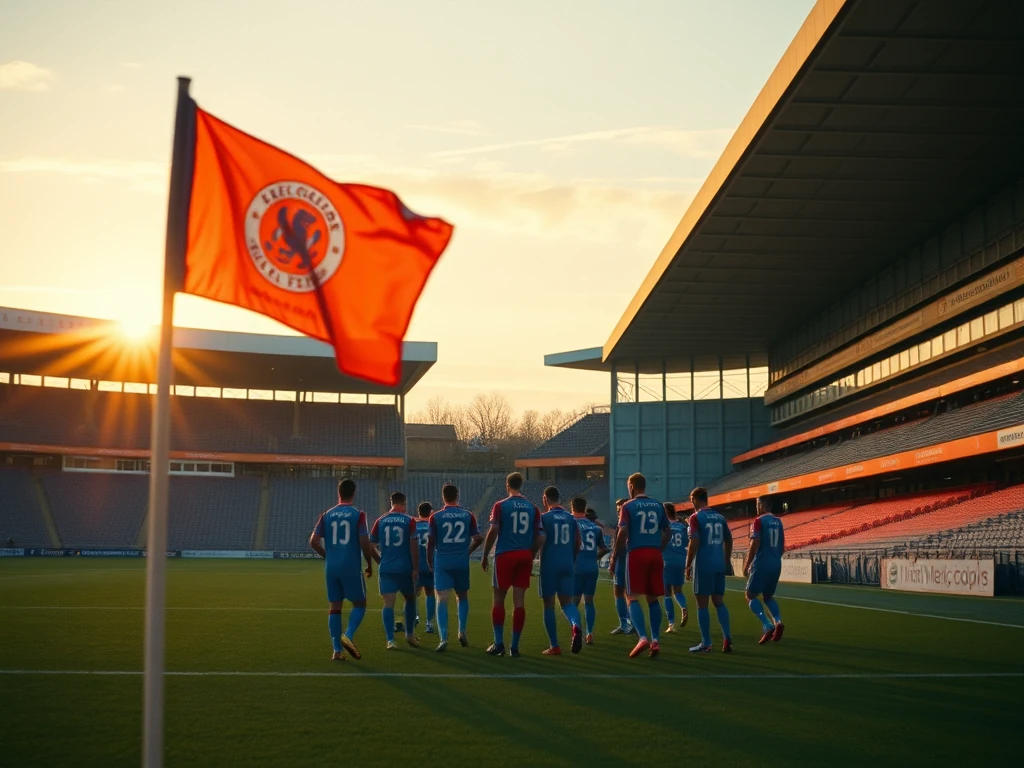
From August 1998 to April 1999, Morton faced a relentless series of challenges. On the pitch, they managed to secure only a handful of victories, leading to a catastrophic league position. The stark reality was evident when Morton suffered a humiliating 5-0 defeat to Airdrieonians in November 1998, a match that left fans questioning the future of the club.
The club’s management tried various tactical shifts in a desperate bid for form. Manager Jim McInally played with different formations, yet nothing seemed to click. The players became increasingly demoralised, and the atmosphere around Cappielow Park was one of despair rather than hope.
Fan Impact and Community Resilience
For Morton supporters, this period was harrowing. Attendance dropped drastically as fans turned away in frustration and disappointment. Many lifelong fans felt a sense of betrayal, having invested time and emotion into a club that seemed to falter at every turn.
However, amidst the darkness, there was a glimmer of community spirit. Supporters' groups rallied together to provide support for the club, organising fundraisers and awareness campaigns. The Greenock Morton Supporters’ Trust was born during this period.
- Key events during this period:
- Airdrieonians 5-0 Morton (November 1998)
- Formation of the Greenock Morton Supporters’ Trust (January 1999)
- Relegation confirmed in April 1999
Lessons Learned: A Turning Point
The relegation from the First Division was not only a calamity; it was a turning point for Morton. The aftermath saw a complete restructuring of the club’s management and approach. With new leadership, Morton began to rebuild, focusing on sustainable growth rather than financial recklessness.
The club implemented youth development strategies that laid the groundwork for future successes. By investing in local talent and fostering a strong youth academy, Morton began to regain its competitive edge. This shift in philosophy ultimately proved key in the years that followed, allowing Morton to rise back through the leagues.
What This Means for Morton
Today, as Morton handles the Scottish Championship, the lessons from its darkest days remain relevant. The club's current management is aware of the importance of financial prudence and community engagement. Fans have a key role in this narrative, as they continue to support the club through thick and thin.
The challenges of the late 90s serve as a sign that resilience is key. If you’ve been following Morton this season, you’ll know that the spirit of those supporters from 25 years ago persists in today’s fanbase, who show unwavering loyalty despite the club's ups and downs.
The Wider Championship Picture
In the current context of the Scottish Championship, Morton is not alone in facing adversity. Other clubs have also experienced tumultuous periods, but what sets Morton apart is its rich history of overcoming obstacles. The Championship is a fiercely competitive league, with clubs like Dunfermline Athletic and Queen of the South also vying for promotion.
For Morton, maintaining a foothold in this league is key for both financial stability and fan engagement. Clubs that have faced relegation know that the road back can be long and arduous. Morton must use its past as a blueprint for handling the present and future.
Future Outlook: Building on the Past
The resilience shown during the late 90s is a sign of the strength of the Morton community. As the club looks ahead, it’s essential to continue fostering that spirit and ensuring that lessons from the past inform future decisions. The stability of Cappielow Park and its surrounding community relies on a commitment to sustainable practices and an unwavering connection with the fanbase.
Critics will argue that the club's history of instability could resurface, especially in the competitive landscape of the Championship. However, the proactive measures taken since the dark days, including better financial management and community engagement, suggest that Morton is on a path toward a more stable future.
What's Next
Looking ahead, Morton faces several key fixtures that will be key for their standing in the league. Upcoming matches against rivals like Inverness Caledonian Thistle and Raith Rovers will test the team’s resolve and strategic approach. The management must ensure that the lessons learned from the club's tumultuous past guide their strategies and decisions.
As Morton strives to carve a new chapter in its storied history, the echoes of the past serve as both a warning and a source of inspiration. The story of Morton is far from over, and with the support of its dedicated fans, the club is set to rise once more.